

 Myopia management
 Dry Eye Treatment
What Is Visual Field Testing and Who Needs It?
What Is Visual Field Testing and Who Needs It?
Many vision problems don’t affect how clearly you see at first - they impact what you notice around you. Visual field testing allows your eye doctor to evaluate your peripheral vision and identify subtle changes that could signal underlying eye or health conditions. This simple test plays an important role in protecting long-term vision.
What Is Visual Field Testing?
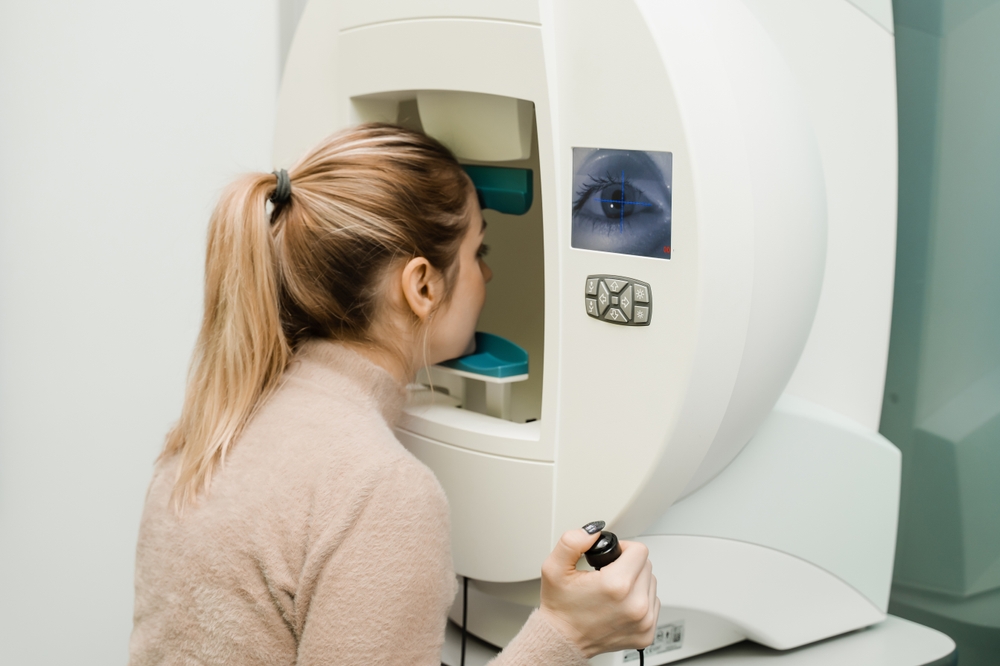
Visual field testing measures your peripheral vision as well as your central vision. During the test, you’ll focus on a fixed point while responding to lights or symbols that appear in different areas of your visual field. This helps your eye doctor map how well you see in all directions. Because many eye diseases develop gradually and without noticeable symptoms, visual field testing can reveal vision loss long before you realize anything is wrong.
Why Is Visual Field Testing Important?
Visual field testing helps detect and monitor conditions that may affect the optic nerve, retina, or visual pathways in the brain. Early detection allows for earlier treatment, which can slow progression and help preserve vision. This test is especially important for identifying conditions that don’t always impact central vision right away, making them easy to miss without specialized testing.
Who Needs Visual Field Testing?
Visual field testing may be recommended for a variety of patients, including:
Patients with Glaucoma or at Risk for Glaucoma: Glaucoma often causes gradual peripheral vision loss that goes unnoticed in early stages. Visual field testing is one of the most important tools for diagnosing glaucoma and tracking its progression over time.
Individuals with Diabetes or Other Systemic Conditions: Systemic health conditions like diabetes, high blood pressure, or autoimmune diseases can affect the eyes and optic nerve. Visual field testing helps detect vision changes related to these conditions.
Patients Experiencing Vision Changes: If you notice blind spots, difficulty seeing objects to the side, or trouble navigating in low light or crowded environments, visual field testing can help determine the cause.
Those with Neurological Concerns: Conditions such as strokes, brain injuries, tumors, or multiple sclerosis can impact vision. Visual field testing helps assess how the brain and optic nerve are affecting your sight.
Patients on Certain Medications: Some medications can affect vision as a side effect. Visual field testing allows your eye doctor to monitor for changes and ensure your eye health remains protected.
Routine Monitoring for Eye Health: Even without symptoms, your eye doctor may recommend visual field testing as part of ongoing care - especially if you have a family history of eye disease or are at higher risk due to age or medical history.
What to Expect During the Test
Visual field testing is non-invasive and typically takes only a few minutes per eye. You’ll sit comfortably, look straight ahead, and press a button when you notice lights appearing in your side vision. The test requires focus, but it’s painless and does not require dilation in most cases.
Take the Next Step in Protecting Your Vision
Visual field testing is a vital part of comprehensive eye care, helping detect hidden vision loss and monitor conditions that can impact your long-term sight. Whether you’re managing an existing eye condition or simply staying proactive about your eye health, this test provides valuable insight into how well your eyes and visual system are functioning.
Schedule a comprehensive eye exam and visual field testing at Texas State Optical New Braunfels to protect your vision and catch potential issues early. Visit our office in New Braunfels, Texas, or call (830) 201-3237 to book an appointment today.
Quick Links
Helpful Articles
article_category: products
article_category: psychiatry
article_category: faqs
article_category: cats
article_category: general
article_category: services
article_category: technology
article_category: dogs
article_category: restorative
article_category: vision therapy
article_category: contact lenses
article_category: health
article_category: conditions
article_category: eye surgery co-management
article_category: exotic
article_category: cosmetic
article_category: surgical procedures
article_category: aesthetics
article_category: preventative
article_category: ocular disease management
article_category: eyeglasses
article_category: eye health
article_category: large animal
[]
article_category: psychiatry
article_category: faqs
article_category: cats
article_category: general
article_category: services
article_category: technology
article_category: dogs
article_category: restorative
article_category: vision therapy
article_category: contact lenses
article_category: health
article_category: conditions
article_category: eye surgery co-management
article_category: exotic
article_category: cosmetic
article_category: surgical procedures
article_category: aesthetics
article_category: preventative
article_category: ocular disease management
article_category: eyeglasses
article_category: eye health
article_category: large animal
[]
Flowbite is an open-source library of interactive components built on top of Tailwind CSS including buttons, dropdowns, modals, navbars, and more.
Check out this guide to learn how to get started and start developing websites even faster with components on top of Tailwind CSS.

All Eyecare Services
We offer a wide variety of eye care services to the New Braunfels community. Contact us with any questions about our services.

Keep In Touch
For non-urgent questions or to learn more about our services, contact us today!

Contact Information
Office Hours
- Monday 8:30 AM - 5:30 PM
- Tuesday 8:30 AM - 5:30 PM
- Wednesday 8:30 AM - 5:30 PM
- Thursday 8:30 AM - 5:30 PM
- Friday 8:00 AM - 2:00 PM
- Saturday Closed
- Sunday Closed
- Monday 9:00am - 6:00pm
- Tuesday 9:00am - 6:00pm
- Wednesday 9:00am - 6:00pm
- Thursday 9:00am - 6:00pm
- Friday 9:00am - 6:00pm
- Saturday 10:00am - 2:00pm
- Sunday Closed
- Monday 8:00am - 5:00pm
- Tuesday
- Wednesday
- Thursday
- Friday
- Saturday
- Sunday
© 2026 Texas State Optical New Braunfels. All rights Reserved - Accessibility Statement - Privacy Policy - Sitemap
Managed and Designed by 