


 Myopia management
 Dry Eye Treatment
Slowing Down Myopia: How Pediatric Eye Exams at TSO New Braunfels Catch Nearsightedness Early
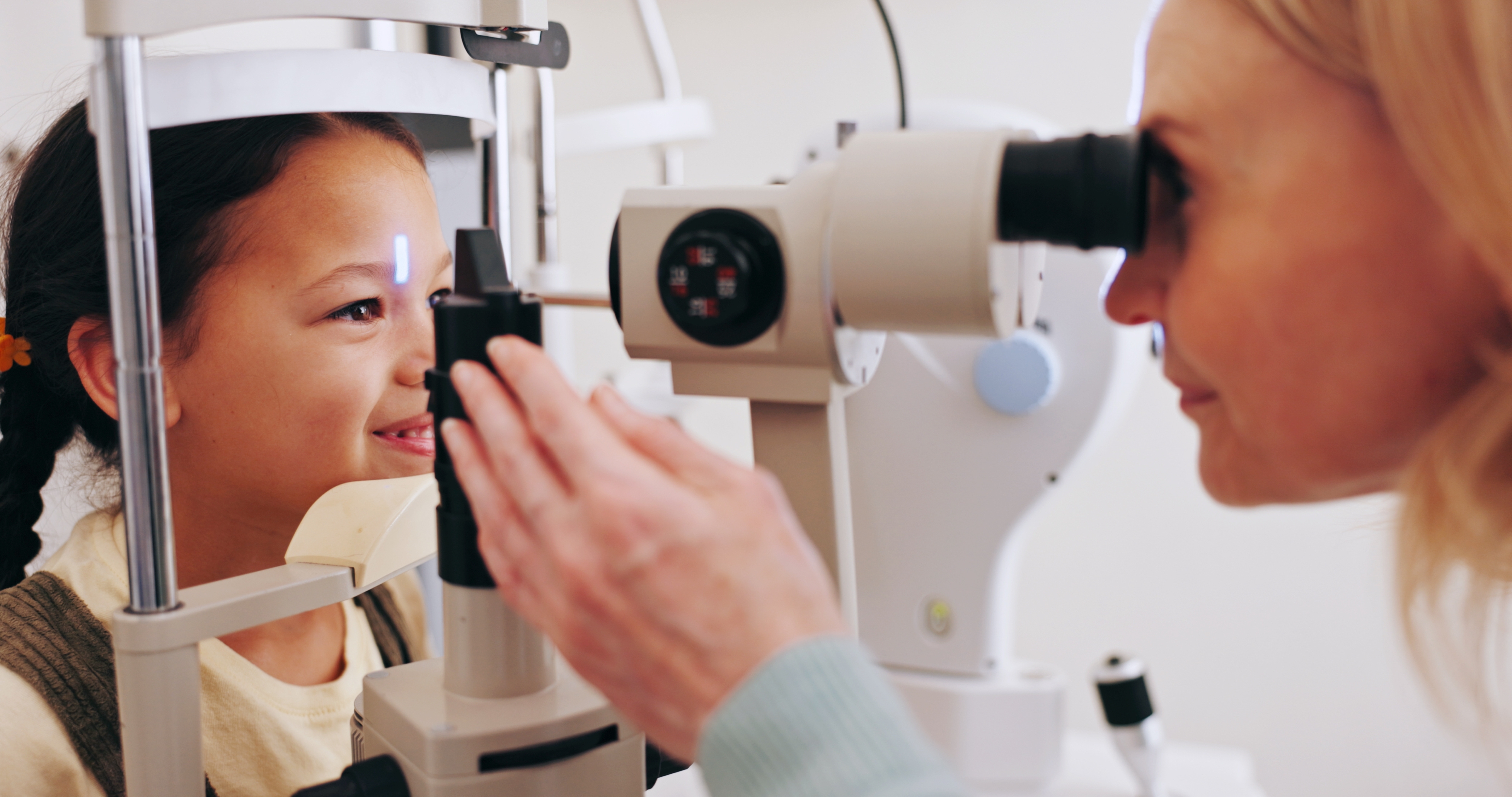
Slowing Down Myopia: How Pediatric Eye Exams at TSO New Braunfels Catch Nearsightedness Early
Myopia, or nearsightedness, often develops during childhood and can progress as the eyes continue to grow. A child may begin by squinting at the board or sitting closer to the television, then need stronger glasses from one year to the next. At Texas State Optical New Braunfels, pediatric eye exams help us identify vision changes early and determine whether myopia management should become part of your child’s eye care plan.
Why Early Detection Matters
Children’s vision can change significantly as their eyes develop. School also places constant demands on their visual system through reading, writing, computers, smartboards, sports, and other activities. TSO New Braunfels emphasizes regular pediatric eye care because undetected vision problems can affect both classroom performance and everyday activities.
Myopia is one of the most common refractive errors during the school years. When distance vision becomes blurry, a child may struggle to see classroom boards, presentations, or objects across the room even though nearby materials still appear clear. Detecting nearsightedness early gives us an opportunity to establish a baseline and monitor whether the prescription is continuing to change.
Signs Your Child May Be Becoming Nearsighted
Children do not always recognize that their vision is changing. Parents in New Braunfels may notice changes in behavior before their child specifically complains about blurry vision.
Signs to watch for include:
- Squinting when looking across the classroom or watching television
- Holding books, tablets, or other materials unusually close
- Complaining that distant objects appear blurry
- Sitting closer to screens or classroom displays
- Losing interest in visually demanding activities
- Needing stronger glasses at repeated eye exams
- Having difficulty with sports or activities requiring clear distance vision
TSO New Braunfels also notes that losing a place while reading, avoiding certain visual activities, or having a shorter attention span during visually demanding tasks may sometimes indicate an underlying vision concern.
What Happens During a Pediatric Eye Exam?
A pediatric eye exam looks beyond whether your child can read letters on an eye chart. Depending on age and individual needs, an examination can evaluate visual acuity, eye alignment, focusing, refractive errors, and overall eye health. Myopia, hyperopia, astigmatism, amblyopia, and other childhood vision concerns may be identified during pediatric eye care.
For New Braunfels families, regular exams also allow us to compare findings over time. If a child’s myopia continues to increase, we can discuss whether updating their glasses is enough or whether a myopia management strategy should be considered.
How Myopia Management Can Help Slow Progression
Myopia management is different from standard vision correction. Regular glasses correct blurry distance vision, while myopia control treatments are intended to slow how quickly nearsightedness progresses during childhood. TSO New Braunfels offers several approaches so treatment can be selected according to the individual patient.
One option is Ortho-K, which uses specialized rigid gas-permeable contact lenses worn overnight to temporarily reshape the cornea. These lenses provide clearer daytime vision after removal and can also be used to help slow childhood myopia progression. TSO New Braunfels also offers MiSight and atropine drops as myopia management options.
The appropriate treatment depends on factors such as your child’s age, prescription, rate of progression, eye health, lifestyle, and ability to manage contact lenses. There is no single approach that is right for every child, which is why an individualized evaluation is important.
Why Monitoring Myopia Is About More Than Stronger Glasses
Myopia management does not guarantee that a child’s prescription will never change again. The goal is to reduce the rate of progression while their eyes are still developing. TSO New Braunfels notes that increasing levels of myopia can be associated with greater concerns for long-term eye health, making early monitoring and management worthwhile.
If your child is squinting, struggling to see the board, or needing stronger prescriptions each year, schedule a pediatric eye exam and myopia management evaluation with Texas State Optical New Braunfels at 1705 S Walnut Ave., Suite 100, New Braunfels, TX 78130, or call (830) 629-1248 to help support clearer vision as they grow.
Quick Links
Helpful Articles
article_category: products
article_category: psychiatry
article_category: faqs
article_category: cats
article_category: general
article_category: services
article_category: technology
article_category: dogs
article_category: restorative
article_category: vision therapy
article_category: contact lenses
article_category: health
article_category: conditions
article_category: eye surgery co-management
article_category: exotic
article_category: cosmetic
article_category: surgical procedures
article_category: aesthetics
article_category: preventative
article_category: ocular disease management
article_category: eyeglasses
article_category: eye health
article_category: large animal
[]
article_category: psychiatry
article_category: faqs
article_category: cats
article_category: general
article_category: services
article_category: technology
article_category: dogs
article_category: restorative
article_category: vision therapy
article_category: contact lenses
article_category: health
article_category: conditions
article_category: eye surgery co-management
article_category: exotic
article_category: cosmetic
article_category: surgical procedures
article_category: aesthetics
article_category: preventative
article_category: ocular disease management
article_category: eyeglasses
article_category: eye health
article_category: large animal
[]
Flowbite is an open-source library of interactive components built on top of Tailwind CSS including buttons, dropdowns, modals, navbars, and more.
Check out this guide to learn how to get started and start developing websites even faster with components on top of Tailwind CSS.

All Eyecare Services
We offer a wide variety of eye care services to the New Braunfels community. Contact us with any questions about our services.

Keep In Touch
For non-urgent questions or to learn more about our services, contact us today!

Contact Information
Office Hours
- Monday 8:30 AM - 5:30 PM
- Tuesday 8:30 AM - 5:30 PM
- Wednesday 8:30 AM - 5:30 PM
- Thursday 8:30 AM - 5:30 PM
- Friday 8:00 AM - 2:00 PM
- Saturday Closed
- Sunday Closed
- Monday 9:00am - 6:00pm
- Tuesday 9:00am - 6:00pm
- Wednesday 9:00am - 6:00pm
- Thursday 9:00am - 6:00pm
- Friday 9:00am - 6:00pm
- Saturday 10:00am - 2:00pm
- Sunday Closed
- Monday 8:00am - 5:00pm
- Tuesday
- Wednesday
- Thursday
- Friday
- Saturday
- Sunday
© 2026 Texas State Optical New Braunfels. All rights Reserved - Accessibility Statement - Privacy Policy - Sitemap
Managed and Designed by 